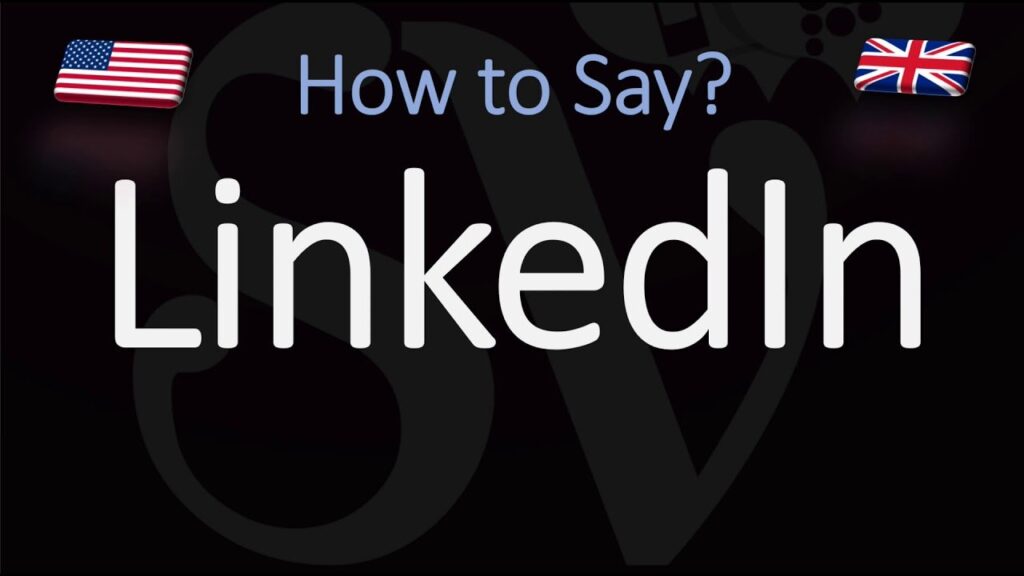
The correct way to spell the professional networking platform is L-i-n-k-e-d-I-n, with a capital “L” and a capital “I” in the middle. This name is a compound of the words “linked” and “in,” reflecting the primary purpose of the site: connecting professionals and keeping them integrated within their specific industries. How Do You Spell LinkedIn in casual typing, such as “Linkedin,” “linked in,” or “linkden,” the official branding consistently maintains the internal capitalization to emphasize the two distinct components of the name.
Key Takeaways

- Always use the camel case format: LinkedIn, with both the ‘L’ and the ‘I’ capitalized.
- Avoid common misspellings like “Linkden” or “Linked-in,” which aren’t recognized by browsers.
- Bookmark the official URL to ensure you always land on the correct professional network.
- Verify your spelling when setting up email signatures or linking to your profile on a resume.
- Use the official logo and name styling to maintain a professional appearance online.
How to Spell LinkedIn Correctly
The spelling of the platform is straightforward once you recognize the two-word origin. It’s not “Linkden,” which is a frequent phonetic misspelling. The word “linked” refers to the act of connecting with colleagues, while “in” suggests being plugged into the current job market or industry trends.
By keeping the internal capitalization, the company ensures that the brand name is distinct and easy to identify in search results. When you’re writing this name in a formal document, such as a cover letter or a business proposal, precision is essential for maintaining your credibility.
Why Branding Matters for Professionals
Maintaining the correct spelling of your digital presence is a vital part of your personal brand. If you misspell the name of the site on your business card or personal website, it can signal a lack of attention to detail to potential employers or clients.
Because this platform is the primary tool used by recruiters to scout talent, being able to find your profile easily is critical. If a hiring manager types the name incorrectly and lands on a broken page or a different site, they may simply move on to the next candidate.
| Component | Correct Spelling | Common Error |
|---|---|---|
| First Half | Linked | Linkd |
| Second Half | In | Inn |
| Full Brand |
Common Spelling Mistakes to Avoid
Many users struggle with the middle of the word, often typing “Linked-in” with a hyphen. While hyphens are common in compound words, they aren’t part of the official trademarked name. Another frequent mistake is neglecting the capital “I” in the middle.
While search engines are smart enough to redirect you to the right place, you should aim for the official spelling in all your written communications. Using the correct name demonstrates that you’re familiar with the industry tools you claim to use on your profile.
How to Search for the Site
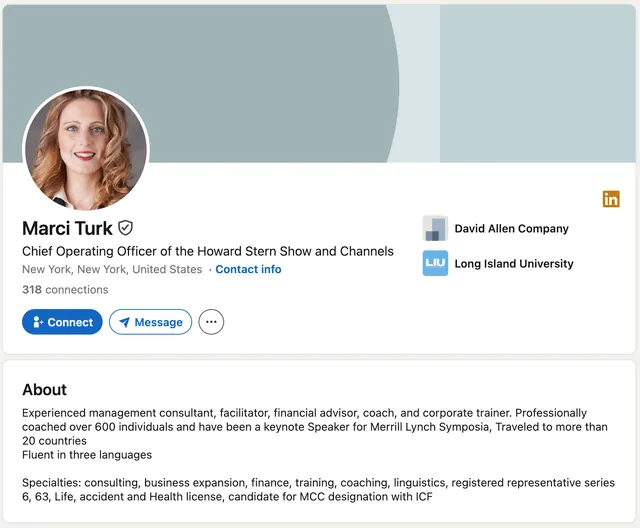
When you type the name into a search engine, you don’t need to worry about capitalization. However, using the correct spelling helps ensure that you reach the official LinkedIn help center rather than a third-party site or a phishing page.
Being precise with your search terms is a good habit to build, especially when you’re looking for specific technical support or trying to troubleshoot account settings. Always check the URL in your browser address bar before entering your login credentials to verify that you’re on the legitimate site.
Using the Name in Resumes
When you include a link to your profile on your resume, the spelling must be flawless. Many applicants make the mistake of creating a hyperlink that points to a misspelled URL. You should always copy and paste the link directly from your browser’s address bar once you have navigated to your profile page. This ensures that the hyperlink path is accurate and leads directly to your experience, skills, and endorsements.
Tools for Improving Your Spelling
If you find that you frequently mistype brand names, consider using browser-based spellcheckers or grammar tools. These utilities can identify when you have typed a brand name incorrectly and offer the correct version. While these tools aren’t perfect, they act as a secondary filter before you hit “send” on an email or publish a post. Consistency is the hallmark of a professional communicator.
| Tool Category | Popular Options | Benefit |
|---|---|---|
| Spell Checkers | Grammarly, LanguageTool | Catches typos in real-time |
| Browser Plugins | Auto-Correct, TextBlaze | Fixes common errors automatically |
| Note Apps | Notion, Evernote | Stores correct links for easy use |
Troubleshooting Your Profile Access
Warning: If you find yourself consistently unable to reach the site, verify that you aren’t using an outdated bookmark or a cached version of a page. Sometimes, a browser might save an incorrect URL that includes a typo. Clear your browser cache and try typing the correct name into the search bar again. If the issue persists, check your network connection or try accessing the site from a different device to rule out local software conflicts.
Pro Tip: Save the official URL as a favorite in your browser toolbar. This eliminates the need to type the name manually, which reduces the risk of making a typo during your daily login routine.
The Importance of Brand Identity

The brand identity of this platform is built on stability and professional trust. By adhering to their specific naming conventions, you align yourself with the professional standards of the community. Using the correct spelling serves as a subtle indicator that you respect the platform’s guidelines. This attention to detail is often noticed by recruiters who look for candidates who take pride in their digital footprint.
Frequently Asked Questions
Is it LinkedIn or LinkedIn?
The correct spelling is LinkedIn, with a capital “L” and a capital “I.” The company uses this camel case styling to emphasize the two distinct words that make up the name. Using the lowercase “i” is technically a misspelling of the trademarked brand name, even though it’s a very common mistake for casual users to make.
Why do people spell it Linkden?
People often spell it “Linkden” because of the way the word sounds when spoken aloud. In English, the “ed” sound at the end of “linked” can blend into the “in” sound, leading to a phonetic approximation that ignores the actual orthography. It’s a common linguistic phenomenon to simplify spelling based on pronunciation rather than the original compound word structure.
Does capitalization matter for search?
For the purpose of search engines, capitalization usually doesn’t matter. Google and Bing are designed to understand that “linkedin,” “LINKEDIN,” and “LinkedIn” all refer to the same entity. However, for professional writing, resumes, and business cards, you should always use the official capitalization to maintain a polished and accurate appearance in your materials.
How do I fix a typo in a post?
If you have already published a post with a typo, you can usually edit it. Look for the three-dot menu icon on the top right of your post. Select the “Edit” option, correct the spelling of the brand name, and then save your changes. It’s better to fix the error quickly than to leave a permanent typo on your timeline.
Is the hyphenated version correct?
No, the hyphenated version “Linked-in” isn’t the correct spelling. The platform name doesn’t use any punctuation between the two components. Adding a hyphen can make your writing look unprofessional or indicate a lack of familiarity with the platform’s official branding. Always stick to the single, combined word with the internal capital letter for the most accurate presentation.
Managing Your Professional Presence
Beyond just spelling, the way you present your profile to the world speaks volumes about your work ethic. Ensure that your vanity URL is customized, simple, and free of unnecessary characters. A clean URL is much easier to share on business cards or in the footer of your professional emails. By taking the time to master these small details, you set yourself apart from the competition.
Pro Tip: When you share your profile link in a document, remove the “https://” prefix if you want the text to look cleaner, but keep the full “linkedin.com/in/yourname” structure to ensure the link remains functional for the reader.
Maintaining your profile requires regular updates to ensure that your skills, project history, and contact information are current. When you link to your profile from other platforms, always double-check the spelling of the site name to ensure your audience can find you without frustration.
By following these guidelines, you ensure that your professional network remains accessible, reputable, and easy for others to navigate. Start by reviewing your current resume and email signature today to confirm that every mention of the platform matches the official spelling and leads to your active profile page.